Channukah
Every Jewish holiday has multiple layers of history and meaning that keeps it relevant. No holiday epitomizes this more than Hanukkah. Through the generations it has been used by different Jews to it to advance their political, economic, and religious agendas. Often one version corrects the unacceptable parts of earlier versions and sometimes we have different perspectives and meanings that are in conflict with each other.
What does Hanukkah do for us this year? What is it to celebrate in these dangerous and complicated times? Do we need a holiday of inspiration, brightened spirits and strength, or one that facilitates sounding the alarm? Does it call for Maccabean militarism or sophisticated nuanced reflection?
Consider these eight versions of the holiday and have a meaningful holiday.
1. The Light of Hanukkah
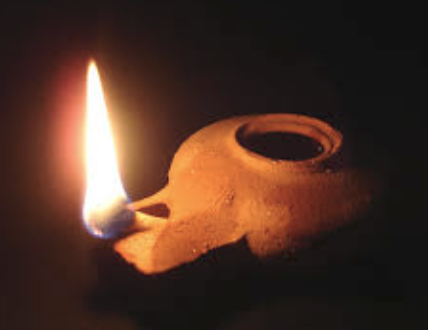
Because Hanukkah falls around the new moon of the Hebrew month of Tevet, it occurs during the darkest nights of the year. We celebrate by kindling lights is to tell this story: we will not be passive victims of nature’s darkness. We will struggle to turn darkness into light, fear into confidence, and despair into hope.
But the significance of Hanukkah light is more complicated. Before electrical lighting and the refining of oil, it would take a worker five hours of labor to light the equivalent of a sixty-watt bulb for just one hour. Now it takes less than half a second. Light came from recycled food products. And candles were always dangerous causes of accidental fires. Until the 19th century only the rich could eat after dark and the poor had shorter days. That is why lights like the Ner Tamid and Hanukkah candles were so special; they marked conspicuous communal consumption. After the Temple was burning precious oil was a sign of remembering that oil was part of sacrifices. This unknown memory is why Hanukkiahs today rely on oil or directly burning candles.
Once fuel oil and oil for lighting was such a scarce commodity that it had to be taken from food for use to energy. Then it became plentifully cheap. Now we have become so out of control using fuel that we are actually destroying the stability of our planet. A Hanukkah theme run amok.
2. The Struggle for Minority Rights Hanukkah
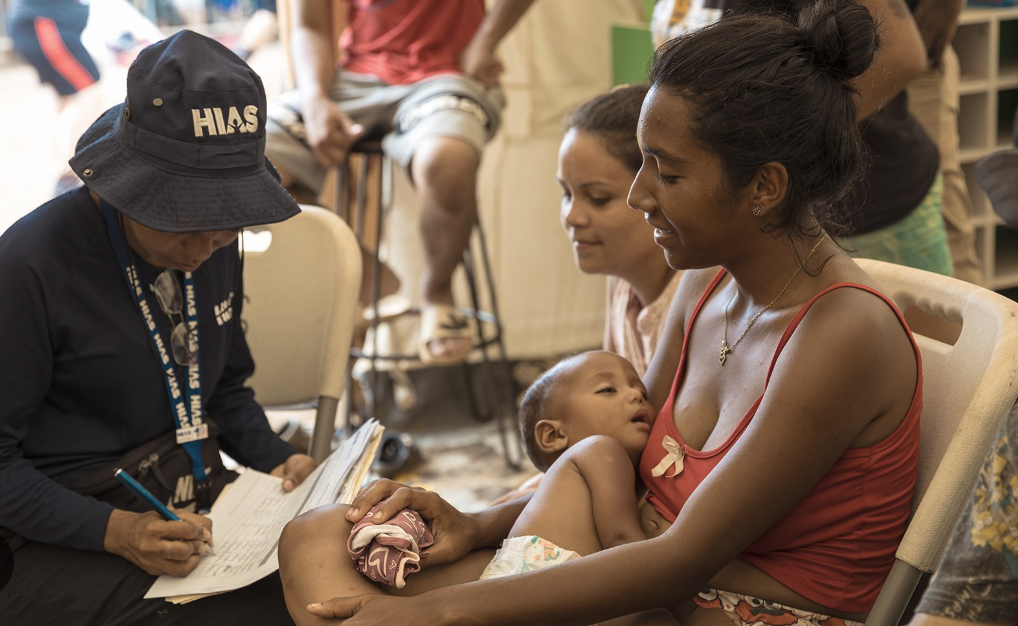
The Hanukkah victory was never a total triumph of Jews over Greeks. It represented a fight for one small part of the Greek empire to live its own way. It is a Hanukkah that resonates with our life in America where we are used to thinking about ourselves successful people living among generally friendly neighbors. We have the right to be different but respected; to be a minority culture that shares with and differentiates from the majority culture. Now our security seems threatened as Christian nationalism, anti-immigrant forces and antidemocratic attacks on the press, and even political figures who voice American law are in ascendency. There are powerful forces expressing ridicule and hate toward the other, moves to end birthright citizenship, and the use of Jews to claim fighting anti-Semitism is a reason to destroy democracy.
This Hanukkah story is very much a battle being fought.
3. The Struggle for Freedom Hanukkah
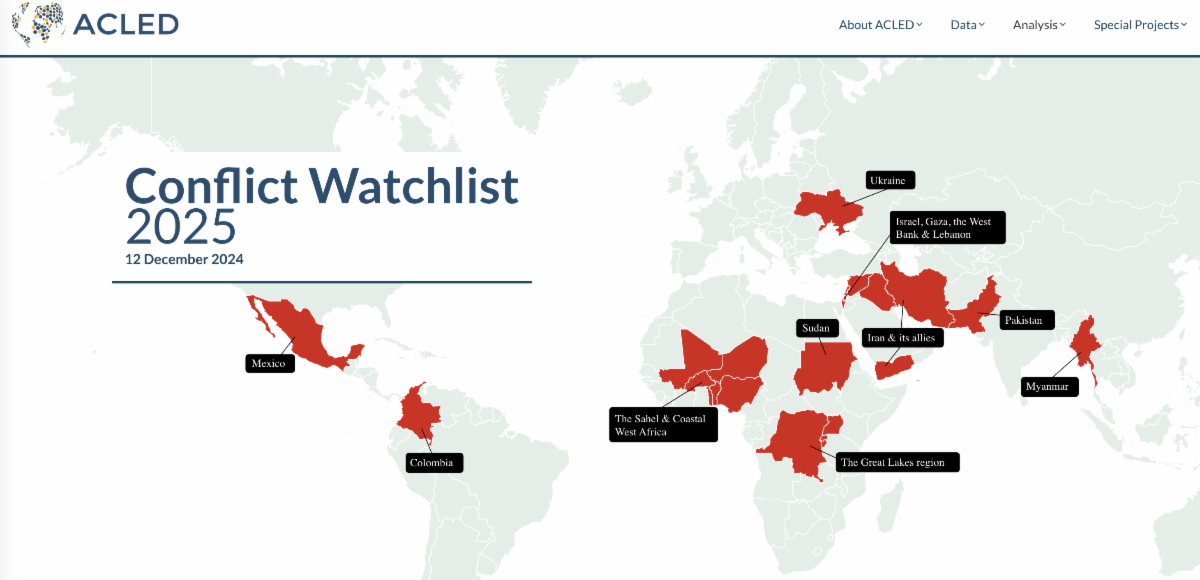
We tell the story of how over two thousand years ago Jews, under the Maccabees, fought to maintain autonomy against the outsider Syrian Greeks who wanted to dominate the world through their own particular culture called Hellenism. Through the human military victory of the few over the many, we had a legacy that inspired the Zionist armies to claim and defend our homeland. However, we also have a story of the potential abuse of power and the zealotry that accompanies it.
When you use force, what are the consequences? Does might make right? How easy is it to view the world as winners and losers and thereby only rely on force and more force?
History tells us, though, that this was not just a direct rebellion for one people’s freedom. Ironically, our celebrating Hanukkah for its military victory over the Greeks is a custom we directly appropriated from the Hellenists. How often do you become like the way you see your opponents?
The fate of the Israel was tied to the geopolitical conditions and the struggles between the two empires, the Ptolemaic and the Seleucid which operated through different factions in Israel. So then like today, the status of the Jewish people in Israel and even the ultimate position of the United States relies on more than national bellicosity. What are the values and allies that your “power” is tied to?
4. The Civil War Hanukkah
Hanukkah is not just about us versus them. It is about a struggle among different Jews and what it means to be Jewish. It was literally a battle among different groups of Jews. There were more affluent urban Jews who wanted to incorporate massively from the Greeks and there were fundamentalist Jews in the hills who followed the “rules” so literally they were ready to die rather than fight on Shabbat. The Maccabees could well be considered aggressive moderates. They wanted to benefit from Hellenism while fighting complete assimilation. Eventually they lost their stature when they were corrupted by power and rivalries. But their legacy as the active moderates remains today. The Maccabiah Games are the Jewish version of the Greek Olympics. We are still struggling with what it means to be ‘legitimately” Jewish as individuals and in our community. What are Jewish values? How does communal loyalty relate to expression of values? How easily do we find ourselves labeling other Jews as anti-Semitic? This creates huge divides over religious, political, and economic control in the government of Israel and within the American Jewish community.
5. The Women’s Hanukkah
Women played important parts in the development of the Hanukkah theme. Two different types of women are recalled. One was Judith, who tricked the Greeks by feeding them cheese which made them thirsty. Then they got drunk and became vulnerable to being slaughtered – the triumph of the effective powerful woman. The other woman was the pious Hannah. She, with her five sons, preferred to be killed rather than desecrate her religion by publicly eating pork which, of course, is an anathema to Jews. Needless to say, there are different ways that the role of women can be viewed. Furthermore, in the history of the Hellenistic period in Israel, the Greek soldiers came in as dominant figures and married Jewish women. However, the women were responsible for maintaining the homes. Therefore, the children lived, learned and ate Jewishly. No wonder Judaism ultimately survived and thrived in the face of the overwhelming power of the Greeks. This year the right of women to have dignity free from abuse and assault is foremost in the public agenda. How does one theme of Hanukkah enable women to have greater rights to speak out?
Today, we are faced with two challenging issues in our society. Sexual abuse and the disrespect of women is rampant in every area of society. And the second, and perhaps the more insidious, is that women are viewed by a different standard.
What is acceptable for a man, is “unladylike” for a woman.
6. The Miracle Hanukkah
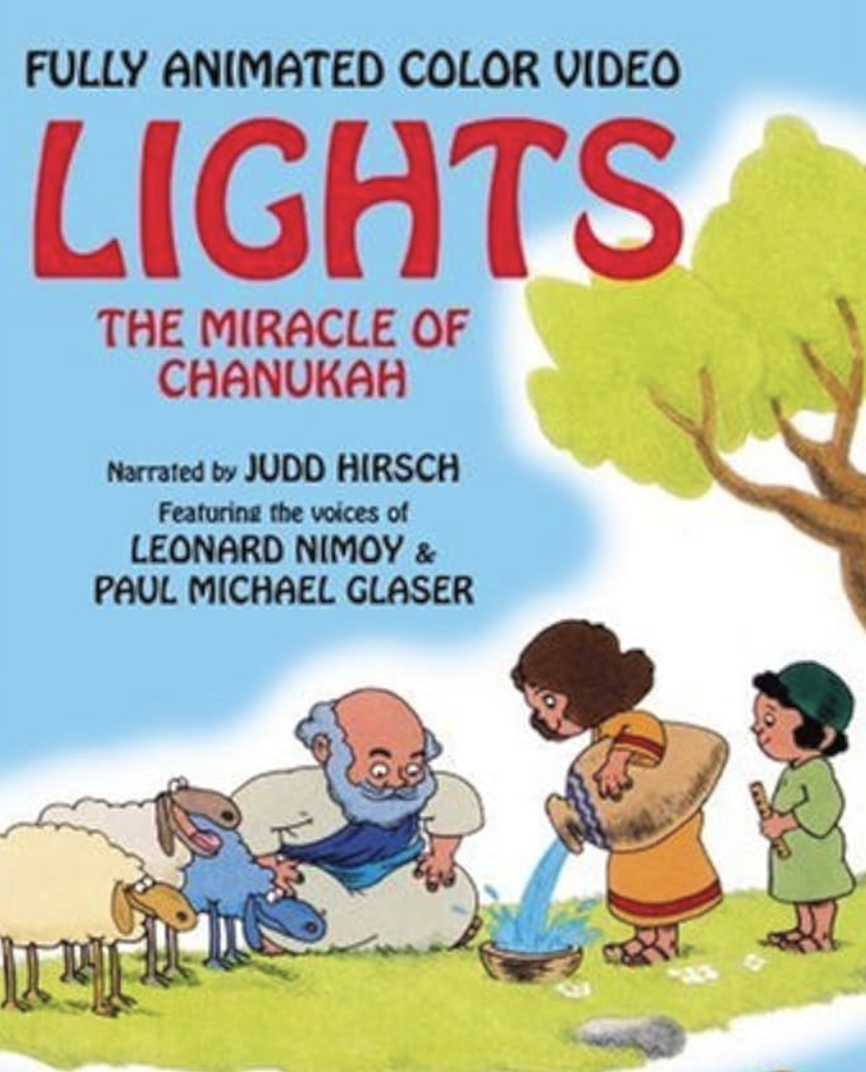
Several hundred years after the Romans destroyed the Jewish commonwealth in Israel, the rabbis changed the significance of Hanukkah. As helpless people could no longer rely on themselves, they looked to the sudden intervention of God as the cause of their salvation. A further legend began that exemplified this approach with the story of the miracle. When the Temple in Jerusalem was reclaimed, there was a small amount of sacramental oil, enough for just one day. We are told it lasted for eight days. Thus, a people who lost their political power transferred Hanukkah from an historical political triumph to a miracle story that took place in the Temple. That certainly helped sustain a people who spent almost two thousand years without independent political power. If not viewed on a simplistic level, this story may indeed serve as a corrective to the arrogance of chauvinistic human power.
Today, we are faced with the opposite problem. We turn away from our responsibility for our actions and attribute them to forces beyond us thus absolving us from our responsibility. Does our “right” to the land of Israel require more than the arrogant assertion that God gave it to us or do we have to consider the values and attitudes we bring to it?
7. The Holiness of Community Giving Hanukkah
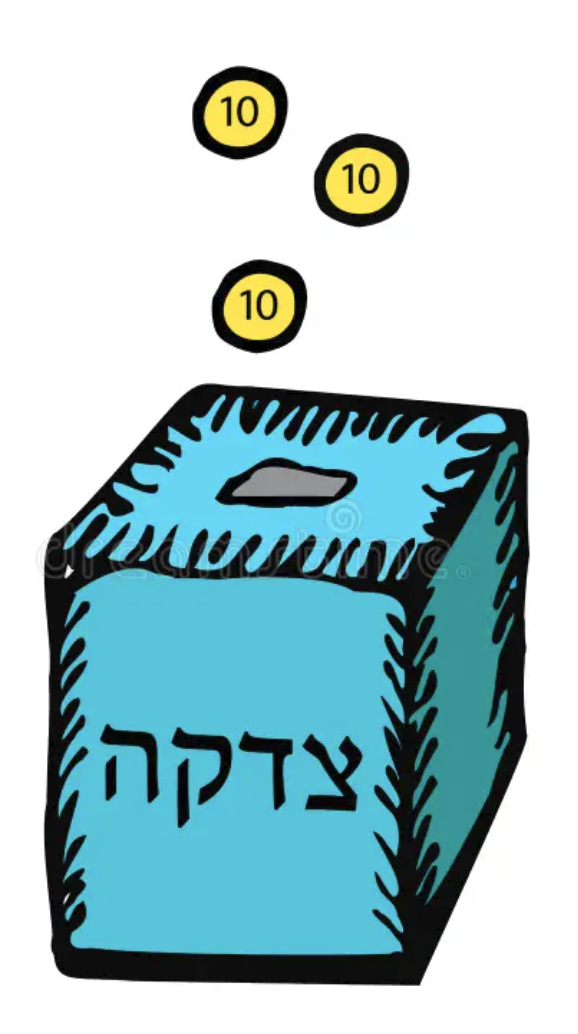
Hanukkah was delayed Sukkot when people brought gifts to reestablish the Temple. They linked it to reading in the Torah how the gift of each of the princes of the tribes of Israel was counted when the original tabernacle was built. In choosing this reading for Hanukkah, the rabbis linked indelibly in the Jewish psyche the holiness of the Temple and the public announcement of the contribution of each person. The first prince who produced his gift was Nahshon. It is the same Nahshon that a later midrash called the courageous man of faith who first walked into the Red Sea. The rabbis understood that forthrightness in giving money was tied to both courage and holiness. Unlike a later Christian teaching which focuses on the distinction between holiness and the material, this Hanukkah story ties the public giving of money to the holiness of religious life.
How fitting that Hanukkah gelt and gifts which we give to our future – our children – are linked to the gifts that our ancestors brought to the Temple on the first Hanukkah.
Now each of us has to evaluate how we use our resources to shape society and achieve the values that we consider important.
8. The Power of Righteousness Hanukkah
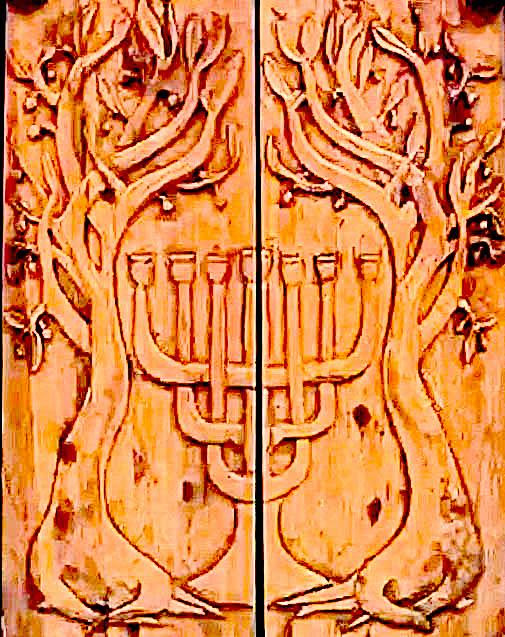
The prophet Zechariah said that ultimately our sustainability comes not from power but from righteousness. What values determine the lives we live and the politics we support Today we are living this tension out in the struggle between the attitudes of the vast majority of the American Jewish community and the Israeli society and political body. What issues of democracy, interplay with neighbors, equal justice and civil liberties matter?
This image, the prophetic word for Hanukkah, happens to be of the image we chose for the logo of Aitz Hayim. It represents the goal to operate in holiness, that is to integrate different aspects of life, the priestly and the kingly, with righteousness and a meaning that transcend any one perspective.
Whether you spell it Chanukkah, Hanukkah, or Khanike, we use the same rituals that have long remained and evolved – lighting the candles, eating foods cooked in oil, latkes, sufganiyot, and cheese. We play games with a dreidel that reminds us of the interplay between skill and luck, and we give presents to our children.
Hanukkah is ours. We celebrate it; we don’t have to work to develop an interest in it. Perhaps we can add depth to its celebration so that our entire culture will become richer.
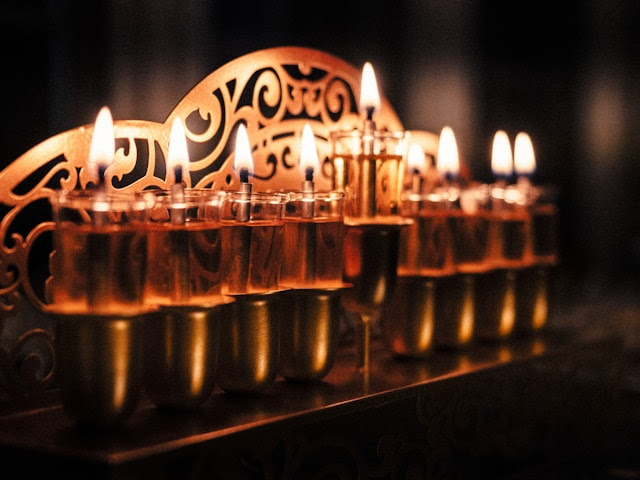
Candle blessings are here.

And One More Message—
Ancient Rabbis Tried to Cancel Hanukkah: Here’s Why They Didn’t Succeed.
by Ayalon Eliach
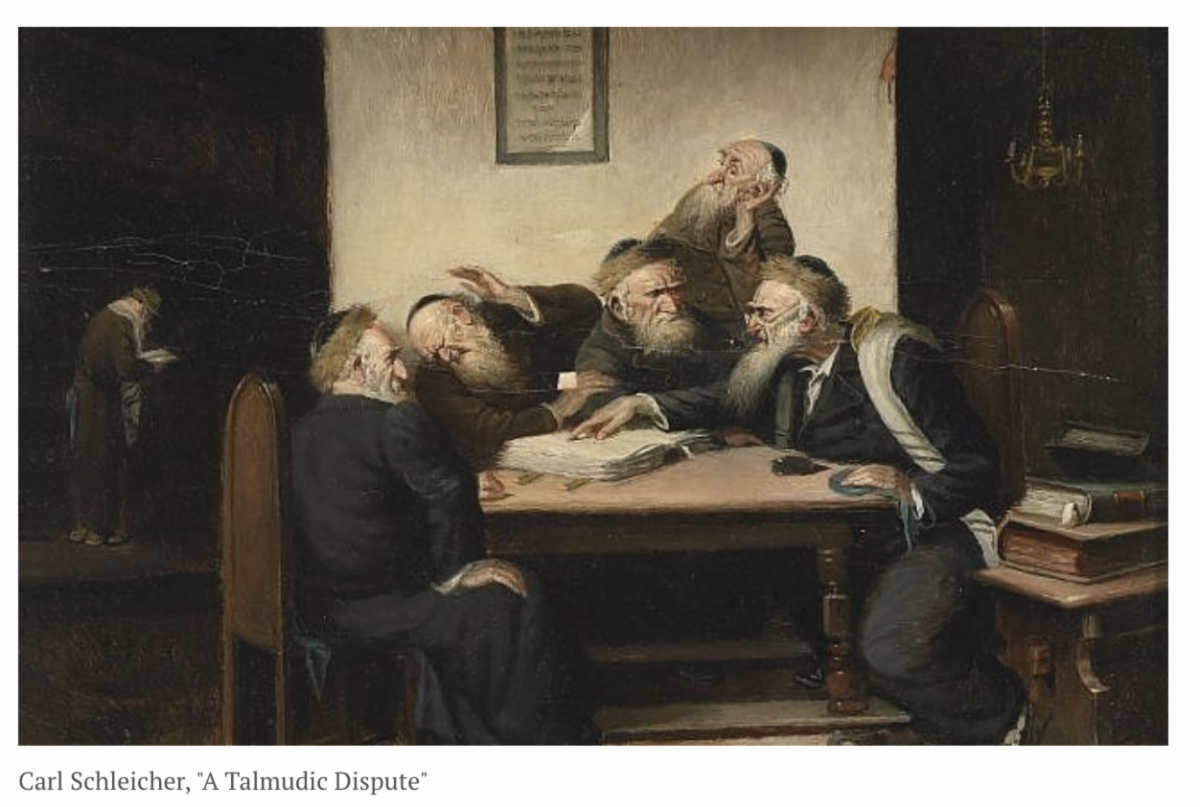
Ancient Rabbis Tried to Cancel Hanukkah